EXCLUSIVE: CRYPTO DEVELOPERS TARGETED IN SOPHISTICATED GITHUB PHISHING PLOT, WALLETS AT RISK
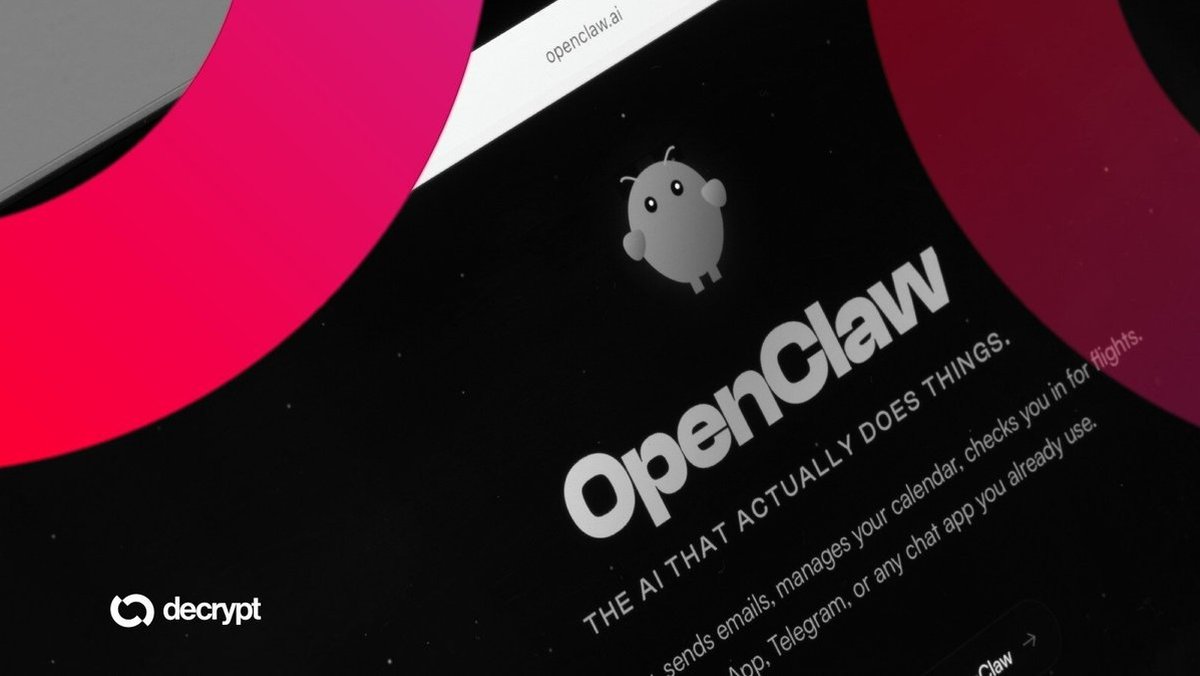
A dangerous new phishing campaign is actively hunting cryptocurrency developers, exploiting the white-hot hype around AI agents to launch a devastating attack. The scheme, targeting contributors to the OpenClaw project, uses fake GitHub accounts and promises of lucrative token airdrops to lure victims to malicious cloned websites. Once there, a single click on a "Connect your wallet" button can lead to a complete financial drain, a stark reminder of the persistent vulnerabilities in the blockchain security ecosystem.
Security researchers at OX Security have exposed the operation, noting the attackers employ heavily obfuscated JavaScript and a separate command-and-control server to siphon funds and hide their tracks. This level of sophistication suggests a professional cybercrime outfit, not amateur scammers. The campaign’s timing is no accident; it emerged just weeks after OpenClaw’s creator was tapped by OpenAI’s Sam Altman, catapulting the project into the mainstream spotlight and making its community a high-value target for a devastating data breach.
"This bears the hallmarks of a coordinated actor, with techniques mirroring past campaigns targeting Solana developers," revealed an unnamed senior cybersecurity analyst familiar with the investigation. "They are exploiting trust and urgency—two powerful forces in the fast-moving crypto world—to bypass standard security precautions. It’s a classic social engineering exploit with a crypto-twist."
For anyone in the Web3 space, this is a five-alarm fire. This isn't just about losing $5,000 in a hypothetical airdrop; it's about threat actors successfully impersonating legitimate projects to gain direct access to private keys and seed phrases. The use of a cloned site is a particularly insidious form of phishing, designed to look identical to the real OpenClaw portal, making even experienced developers susceptible. In an industry already grappling with ransomware and zero-day threats, this attack vector erodes the foundational trust required for collaboration.
We predict this is merely the opening salvo. As AI and crypto continue to converge, these highly targeted, reputation-based phishing campaigns will become the norm, not the exception. Malware disguised as developer tools and fake contribution rewards will flood community platforms, seeking that one critical lapse in judgment.
The wolves are not just at the door; they’re in the repository, tagging you by name.